
Empowering Tomorrow's Leaders: A Deep Dive into Key Coaching Competencies for First-Time Managers
“Coaching is the language of leadership. It’s not just about what you say but how you empower others to articulate their potential and contribute meaningfully to the collective narrative of success.”
Introduction
In the dynamic landscape of leadership, first-time managers find themselves at the intersection of excitement and challenge. As they step into roles of increased responsibility, the need for effective managerial skills becomes paramount. Among these skills, coaching competencies emerge as a linchpin for success, providing the framework to navigate the complexities of team dynamics, individual growth, and organizational excellence.
This article delves into the realm of coaching competencies tailored for first-time managers. We'll explore the fundamental skills that not only enhance their ability to lead but also cultivate a positive and productive working environment. From the art of active listening to the science of setting meaningful goals, each competency plays a crucial role in shaping the trajectory of both the manager and their team.
As we embark on this journey, we'll not only uncover the intricacies of coaching competencies but also unravel their practical applications in the day-to-day responsibilities of first-time managers. Beyond individual skill development, we'll investigate how these competencies can be leveraged to foster a coaching culture within teams and organizations, creating a ripple effect of growth, collaboration, and success.
UNDERSTANDING COACHING COMPETENCIES
A. Definition of Coaching Competencies
Before we embark on dissecting the core competencies, it's crucial to establish a clear understanding of what we mean by coaching competencies. In essence, coaching competencies are the amalgamation of skills, knowledge, and behaviors that enable a manager to facilitate positive change and development in their team members. These competencies go beyond mere task delegation; they encompass the art of, co-creation, partnership in guiding individuals toward realizing their full potential, fostering a collaborative and growth-oriented work environment.
B. Overview of Key Competencies for Effective Coaching
01. Active Listening
At the heart of effective coaching lies the skill of active listening. This goes beyond hearing words; it involves fully comprehending the message, both verbal and non-verbal. First-time managers equipped with active listening skills create a space where team members feel heard and valued, establishing the foundation for trust and collaboration.
02. Asking Powerful Questions
The ability to ask insightful and powerful questions is a hallmark of a skilled coach. These questions go beyond the surface, encouraging individuals to reflect, analyze, and gain deeper insights into their challenges and opportunities. First-time managers harnessing this competency stimulate critical thinking and creative problem-solving within their teams.
03. Providing Constructive Feedback
Constructive feedback is a cornerstone of growth and improvement. First-time managers must master the art of delivering feedback that is specific, actionable, and focused on development. Through constructive feedback, managers inspire continuous improvement and create a culture that embraces learning and adaptation.
04. Goal Setting and Action Planning
Effective leaders guide their teams toward clear objectives. First-time managers, proficient in goal setting and action planning, not only define strategic objectives but also collaborate with team members to establish individual goals aligned with the overall vision. This competency ensures that everyone is moving in sync towards shared aspirations.
05. Building Rapport and Trust
Trust is the glue that binds successful teams. First-time managers who excel in building rapport and trust create an environment where team members feel safe to express ideas, take risks, and collaborate openly. This competency fosters a sense of unity and mutual respect, essential for achieving collective goals.
Development and Growth Opportunities
Integrating Active Listening into Daily Communication
Active listening is not merely a skill to be practiced during formal meetings; it should be woven into the fabric of daily communication. First-time managers can elevate their leadership by actively engaging in conversations, giving their full attention, and demonstrating empathy.
Incorporating Powerful Questions in One-on-One and Team Interactions
The art of asking powerful questions becomes a dynamic tool in daily interactions. First-time managers can encourage critical thinking and creative problem-solving by posing questions that prompt reflection and inspire innovative solutions.
Delivering Constructive Feedback for Performance Improvement
Feedback, when delivered constructively, becomes a catalyst for growth. First-time managers should integrate feedback into their daily routines, providing timely and specific input on individual and team performance.
Setting and Aligning Goals with Team Members
Goal setting is not a once-a-year ritual; it's a continuous process that shapes the trajectory of a team, ensuring everyone understands their role in achieving broader objectives.
Fostering Positive Relationships through Trust-Building Practices
Trust is the bedrock of any successful team. First-time managers can actively nurture positive relationships by employing trust-building practices in their daily interactions — being transparent, keeping commitments, and demonstrating consistency in decision-making. As trust grows, so does team cohesion and the ability to navigate challenges collectively.
Nurturing a Coaching Culture
Defining a Coaching Culture in the Workplace
A coaching culture transcends individual coaching competencies; it represents a collective mindset and organizational ethos centered around continuous learning and development. At its core, it fosters an environment where individuals are empowered to take ownership of their growth, collaboration is valued, and feedback is seen as a catalyst for improvement. First-time managers play a pivotal role in cultivating and sustaining such a culture within their teams.
The Importance of Leadership in Establishing a Coaching Culture
Leadership sets the tone for organizational culture. First-time managers, as emerging leaders, are instrumental in establishing and perpetuating a coaching culture. By embodying coaching principles in their own leadership style, they create a ripple effect that influences how their teams perceive and engage with coaching — signaling the organization's dedication to individual and collective success.
Promoting Coaching Within the Team and Organization
Training and Development Programs
Incorporating coaching principles into training programs is a foundational step. Managers can advocate for or participate in programs that build coaching competencies for themselves and their teams.
Recognition and Reward Systems
Acknowledging and celebrating coaching successes reinforces the culture, motivating individuals to embrace coaching and demonstrating the organization's commitment to growth.
Creating a Safe and Open Communication Environment
A coaching culture thrives on trust and openness. Creating space for transparent, candid communication makes coaching a natural part of everyday discourse.
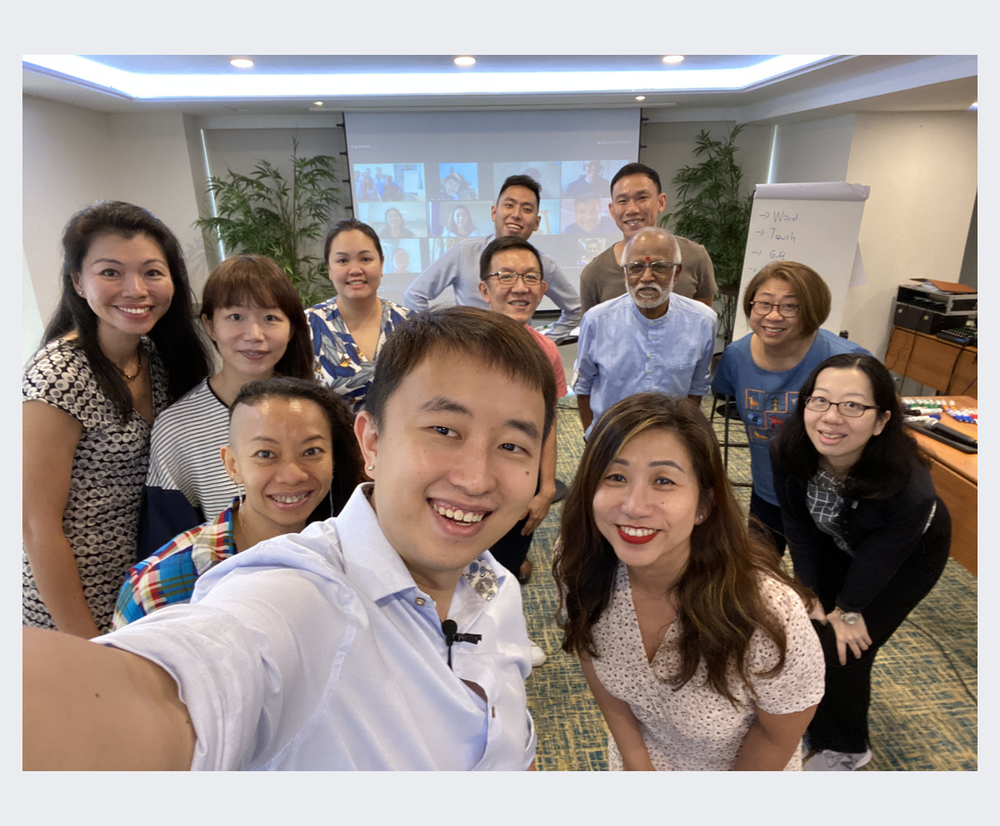
Leaders learning coaching competencies as part of their professional development.
COACHING IN ACTION
Case Studies and Real-World Examples
Let's delve into the real-world impact of coaching competencies by examining instances where first-time managers have successfully integrated these skills into their leadership approach.
A. SUCCESSFUL INSTANCES OF COACHING IN ACTION
Sarah — Transformative Communication
Sarah initiated regular one-on-one meetings, using active listening techniques like paraphrasing and summarizing to deeply understand her team's perspectives.
Team members felt more comfortable sharing ideas, driving a surge in creative problem-solving and a more positive, empowered work culture.
John — Goal Alignment for Collective Success
John ran regular goal-setting sessions where each member articulated individual goals and discussed how they aligned with the team's broader mission.
Morale and motivation rose sharply, goal attainment increased, and the team developed a strong shared sense of investment in collective success.
Working Through It
Overcoming Challenges
Despite the transformative potential of coaching competencies, first-time managers often encounter real hurdles in implementation. Understanding these challenges — and pairing each with a practical strategy — is key to moving past them.
A. Addressing Common Challenges Faced by First-Time Managers in Implementing Coaching Competencies
Despite the transformative potential of coaching competencies, first-time managers often encounter challenges in their implementation. Common hurdles include resistance to change, time constraints, and a lack of experience in navigating complex interpersonal dynamics. Understanding these challenges is crucial for developing effective strategies to overcome them.
• Resistance to Change: Team members or even the manager themselves may resist adopting new coaching methodologies. This resistance can stem from a fear of the unknown or a preference for familiar, traditional leadership styles.
• Time Constraints: First-time managers often face time constraints due to the demands of their new roles. Balancing coaching responsibilities with other managerial tasks can be challenging, leading to the neglect of crucial coaching interactions.
• Interpersonal Dynamics: Navigating the complexities of interpersonal relationships within a team can be daunting. Managers may struggle to establish trust or face challenges in delivering constructive feedback without creating tension.
B. Providing Practical Solutions and Strategies to Overcome Obstacles
Addressing Resistance to Change: Encourage a culture of open communication. Clearly articulate the benefits of coaching, emphasizing how it contributes to individual and team success. Provide training sessions and resources to demystify coaching concepts and address misconceptions.
• Managing Time Constraints: Prioritize coaching as a strategic aspect of leadership. Schedule dedicated time for coaching interactions, whether they are one-on-one sessions or team meetings. Delegate non-essential tasks when possible and communicate the importance of coaching to higher-ups.
• Navigating Interpersonal Dynamics: Invest time in building strong relationships with team members. Foster a culture of trust and openness by leading with transparency. Actively seek feedback on your coaching style and be adaptable in your approach to meet the diverse needs of your team.
CLOSING THOUGHTS
Conclusion
A. THE FOUNDATION COACHING BUILDS
Why Coaching Competencies Matter
Coaching competencies form the bedrock of success for first-time managers, transcending traditional leadership approaches. These skills empower leaders to navigate challenges adeptly, cultivate positive team dynamics, and drive continuous improvement — transforming their role from taskmaster to inspirational leader.
B. WHERE TO GO FROM HERE
A Proactive Approach to Growth
The journey toward mastering coaching competencies is continuous, built on a lifelong learning mindset. The call to action is clear: embrace a proactive approach to your own development and your team's growth, and champion a coaching culture where feedback is valued and every member is empowered to reach their full potential.
“Coaching competencies are the bedrock of leadership development for first-time managers. They’re not just skills; they’re the essential building blocks that shape leaders, turning challenges into triumphs and forging a path towards collective and collaborative success.”
